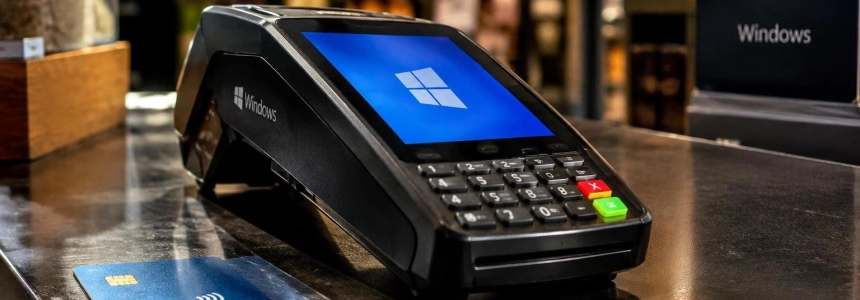
A campaign exploiting a Windows vulnerability that had already been fixed infected 782 payment terminals in more than 20 countries and extracted over one million unique card records. The devices remained unpatched at least 19 months after Microsoft released the fix for CVE-2024-49138.
Cybernews uncovered the operation after finding a server accessible from the internet. There, it found tools for exploiting the vulnerability, malicious code, and a panel for managing carding—the illegal sale and reuse of stolen card data.
A vulnerability in the CLFS driver
CVE-2024-49138 is a heap-based buffer overflow affecting clfs.sys, the Windows Common Log File System driver. The vulnerability allows an unprivileged process to elevate its permissions to SYSTEM, the highest level of control over a computer.
The National Vulnerability Database assigns it a CVSS score of 7.8. The vulnerability was fixed in December 2024, and that same month the US CISA added it to its catalog of known vulnerabilities being actively exploited.
However, the affected terminals still lacked the necessary updates at least 19 months after the patch. The problem with this campaign, therefore, was not an unknown vulnerability, but that equipment dedicated to processing payments remained exposed after Microsoft released the fix.
A RAT captured data during purchases
Once they obtained system privileges, the attackers installed a remote access trojan (RAT).
«gli attaccanti lo hanno usato per installare un trojan ad accesso remoto che raccoglieva i dati delle carte dalle transazioni in tempo reale e ha sottratto oltre un milione di record unici di carte».
— researchers
Analysis of the server identified 782 infected POS terminals and more than one million unique stolen card records. Brazil accounted for a particularly large share of the affected devices. Cybernews warned that the data could facilitate financial fraud and identity theft on an international scale.
The server went offline in August
The server used by the attackers became unavailable on August 31, 2026, a few days after it was discovered. Cybernews reported its investigation findings to Brazil's CTIR, the country's computer incident response center, on September 9, 2026.
It is still unknown how many terminals with the same vulnerability remain active.
The operation highlights a specific gap between the fix and the terminals' exposure: the patch had been available since December 2024, but the compromised devices had gone at least 19 months without updates. The number of other terminals that remain exposed is still unknown.
Source: Hardware Upgrade