GOG Galaxy is coming to Linux in 2027, the company confirmed during its first GOG Showcase, held on November 5. The native version will let users run the client on Steam Deck and other Linux devices; the exact date within that year has not yet been announced.
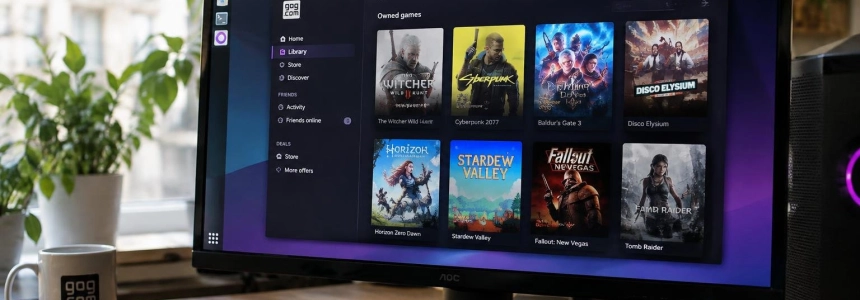
The announcement is part of a revamp for all platforms. GOG says the client will be faster, have a simplified interface, and offer clearer ways to browse the library. It has not yet detailed what the Linux experience will be like or what interface controls will be available on a handheld console.
“We know this has been a long time coming, but we wanted to do it properly: GOG GALAXY is officially heading to Linux.”
— GOG
A release date for the native client
The company had already said it was working on bringing Galaxy to Linux, but had not previously set a public timeframe. GamingOnLinux reported that GOG had confirmed the work to it in July; the showcase announcement turned it into a commitment with a release year: 2027, with no month confirmed.
The new version is not being conceived as a separate Linux application. GOG presents it as part of a new edition of Galaxy for all platforms, with changes also coming to Windows and Mac. According to the company, these changes aim to make the program simpler, improve its speed, and make the library easier to browse.
The update will not change one of the platform's central decisions: Galaxy will remain completely optional. GOG says users will still be able to download and keep their games using offline installers, as before. The client's arrival on Linux will not replace that option or make the launcher a requirement for accessing games.
Steam Deck and current alternatives
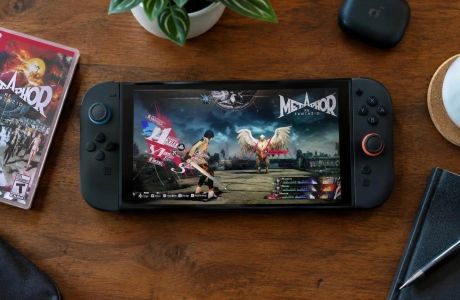
For Steam Deck users, native support would mean being able to install and manage GOG games on Linux without relying on a third-party solution. According to GOG, compatibility will also extend to the Steam Machine and other Linux-based systems. The company specifically includes the Steam Deck OLED among the devices that will benefit.
Today, one of the best-known options is Heroic Games Launcher, which lets users install and manage GOG titles on Linux. However, Heroic does not always work without issues with every game: users cited on Reddit have described difficulties syncing cloud saves and additional steps required to get some titles running.
PC Gamer also mentions Faugus and Lutris among the programs that let users configure and install games from multiple stores. Galaxy's arrival would give players an official alternative, although installation details are not yet known. GOG has also not explained whether the client will have a dedicated controller-friendly mode for use on Steam Deck.
Syncing is particularly relevant for those who switch between a handheld and a desktop computer. GOG has not explained how Galaxy's console mode will work or whether it will be convenient to control with a gamepad on Steam Deck.
The DRM-free catalog and the launcher's role
GOG distributes games without DRM, meaning titles that can generally be launched offline and without periodic license checks. This feature suits the portable use case offered by Steam Deck: games can run without relying on a connection, although managing the library and using other client features is a separate matter.
The company reiterated that its offline installers will remain available. Therefore, the announcement does not force users who prefer to download their games directly to change their habits or install Galaxy. The new client adds an official Linux option and expands the launcher's availability, but GOG retains the option to do without it.
In that sense, the announcement is also more than a simple technical adaptation: GOG is tying Linux support to a general overhaul of the application. The company has not published a specific date for the beta. GamingOnLinux says users will be able to sign up for the beta when it becomes available on GOG's anniversary page; in its announcement, the company invites users to sign up for Galaxy updates.
The anniversary showcase and other announcements
The presentation was GOG's first showcase and coincided with the platform's 18th anniversary. The announcement, dated November 5, 2026, brought together the Galaxy news, initiatives to preserve classic games, and the opening of sign-ups for the GOG Social closed beta.
GOG also presented its restoration of Wing Commander: Prophecy, carried out by its preservation team in collaboration with EA and the series' modding community. The 30th-anniversary edition was added to the GOG Preservation Program. The company says the work combined fan-made modifications with its own tools to enable EA's digitized master videos and add native controller support.
At the same event, GOG explained that its preservation program has delivered more than 1,700 internal fixes to keep over 300 classics running on modern systems, with support from more than 10,000 GOG Patrons in 100 countries. It also announced that Nox had been added to the program after resolving issues that prevented it from running properly on current machines.
GOG Social, meanwhile, opened sign-ups for a closed beta. The offering includes posts with screenshots, videos, and polls; threaded replies; tags linked to games in the store; and controls for following topics or marking spoilers. These are separate announcements: the date for Galaxy on Linux remains 2027, with no more precise schedule.
What remains to be confirmed
GOG has not yet announced a launch day or month, nor explained how the client will work on Steam Deck. The company has also not clarified what Galaxy's console mode will be like or whether it will be convenient to control with a gamepad. For now, what has been confirmed is Galaxy's arrival on Linux in 2027 and a simultaneous revamp of the Windows and Mac versions.
Until then, those who want to install GOG games on Linux can continue using tools such as Heroic, Faugus, or Lutris; those who prefer not to use a launcher can use GOG's offline installers. The company invites users to follow its Galaxy updates as it prepares for launch.
Sources: SoftZone, GOG Pressroom, GamingOnLinux, PC Gamer, Notebookcheck