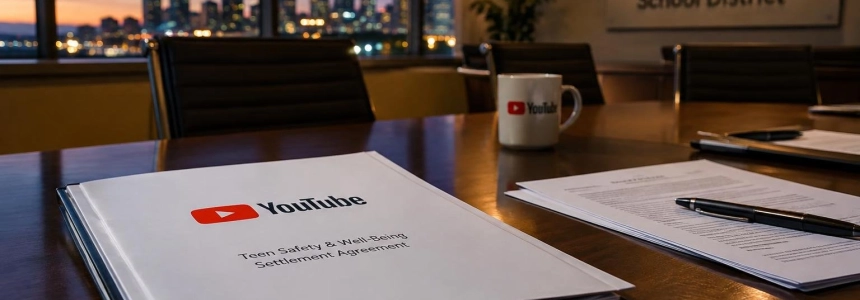
YouTube has reached a tentative agreement for about $3 billion with thousands of school districts in the United States that attribute harm to their students’ mental health to the platform. The figure would make the deal the largest corporate settlement reached with school districts in the country, but it still needs the backing of most of them.
The negotiations, reported by Bloomberg on November 20, respond to lawsuits alleging that the platform was designed to encourage addictive use and harmed students’ well-being. The districts are seeking to recoup expenses related to the situation, including the cost of providing additional counseling to students.
A deal subject to a vote by the districts
The agreement is still provisional: most of the districts must accept it for it to be finalized. According to Bloomberg, the process will probably take a few months. The proposal also includes new safeguards for teenagers, although details of those measures have not been made public in the available coverage.
Google declined to comment on the negotiations, as did the lawyers leading the districts’ cases, according to TNW. Bloomberg Law reported that a Google spokesperson, José Castaneda, declined to comment; its coverage was partially behind a paywall.
The scale of the potential payment stands out even among school social media lawsuits. If finalized on the terms described, it would be the largest corporate settlement with schools in the United States. The figure of around $3 billion is an estimate of the deal under negotiation, not a payment that has already been completed.
Lawsuits target platform design
The lawsuits against YouTube are part of a wave of more than 10,000 cases filed over five years against the platform, Meta, Snap, and TikTok. Plaintiffs argue that features such as infinite scrolling and autoplay encourage addiction and have contributed to anxiety and depression among young people.
In the districts’ case, the argument goes beyond individual effects: schools say they have had to bear costs to address mental health problems and disruptions to learning. Bloomberg Law described a school lawsuit against Snap, YouTube, and TikTok in which the districts argued that addiction to major social media platforms had disrupted teaching and forced public schools to spend large sums in response to a mental health crisis.
The lawsuits have progressed in different courts, and the outcomes have not all been the same. In early 2026, a Los Angeles jury found Meta and YouTube liable in the first bellwether trial in this series, according to TNW. The publication does not detail the scope of that decision or the associated damages in its coverage.
Previous settlements and pending cases
YouTube had already reached settlements on other fronts. In May, it paid just over $2 million to a school district in Kentucky that had also sued Meta, Snap, and TikTok, according to TNW. In June, it reached a settlement with a teenager to avoid a second trial in California.
Bloomberg Law also reported in a story published in May that Snap, YouTube, and TikTok had reached settlements to resolve the first school lawsuit set to go to trial. The terms were not made public in the cited documents. In that case, only Meta was still on course to face the Kentucky district in a trial scheduled for June 12 in a federal court in Oakland, California.
Separately, Meta agreed in August to resolve lawsuits with nearly all U.S. states for about $18 billion, according to its own tally. The company also agreed to limit teenagers’ scrolling to two hours a day. That state-level settlement is separate from the school deal YouTube is now negotiating.
The next school trial mentioned by TNW is scheduled for February. It was brought by a district in Tucson, Arizona, and Meta, TikTok, and Snap remain defendants in the case. The coverage does not specify the year for that February.
Google also depends on the education market
Schools are an important market for Google, TNW notes, placing the litigation in a commercial as well as a legal context. The company also faces criticism from some of its own employees over the use of artificial intelligence in students’ searches, although the coverage does not directly link that controversy to the YouTube settlement.
The new agreement will not, by itself, resolve all litigation over the impact of social media on minors. Its scope will depend on how many districts accept it and how the additional protections for teenagers are implemented; for now, both points remain pending as negotiations continue.
Sources: TNW | Google, Bloomberg Law, Bloomberg Law